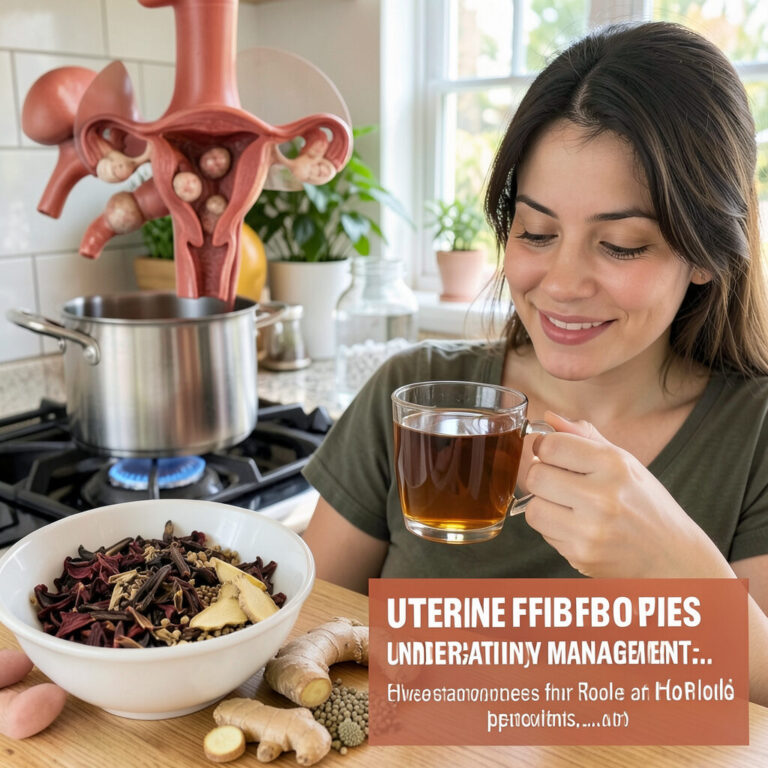
Understanding Uterine Fibroids: A Common ConcernUterine fibroids are non-cancerous growths that develop in the uterus. They are quite common, affecting many women during their reproductive years. While often benign, fibroids can vary greatly in size, number, and location, leading to a range of symptoms that can significantly impact a woman’s quality of life. Understanding what uterine fibroids are, their potential symptoms, and available management options is crucial for those affected.Symptoms of uterine fibroids can include heavy menstrual bleeding, prolonged periods, pelvic pressure or pain, frequent urination, difficulty emptying the bladder, constipation, and backache or leg pains. The severity of these symptoms often depends on the size and location of the fibroids. Many women with fibroids experience no symptoms at all, and the fibroids are discovered incidentally during a routine pelvic exam or imaging.When symptoms become bothersome, various treatment approaches are available, ranging from watchful waiting and medication to surgical interventions. The best course of action typically depends on the individual’s symptoms, the size and location of the fibroids, age, and desire for future pregnancy.The Appeal of Herbal Teas for Wellness SupportIn the realm of wellness, herbal teas have long been cherished for their potential health-supporting properties. Many traditional practices incorporate specific herbs for various ailments, and modern research continues to explore the compounds found in botanicals. Herbal teas, often made from dried flowers, leaves, roots, or seeds, can be a comforting and refreshing part of a healthy lifestyle. They are frequently consumed for their antioxidant content, calming effects, or to support general well-being.For conditions like uterine fibroids, some individuals turn to herbal remedies as a complementary approach. Ingredients often seen in traditional herbal blends for women’s health may include ginger root, known for its anti-inflammatory properties, and hibiscus, which is rich in antioxidants. Other botanicals like coriander or fennel seeds might be included for digestive support or their perceived hormonal balancing effects.While herbal teas can offer general wellness benefits, it’s vital to approach claims about their ability to ‘destroy’ or ‘cure’ medical conditions like uterine fibroids with caution. No herbal tea has been scientifically proven to eliminate fibroids completely or to be a substitute for medical treatment. The image circulating on social media, suggesting a powerful drink can make surgery useless and destroy large uterine fibroids in 2 hours, is a significant exaggeration and does not align with established medical understanding.General Wellness and Lifestyle for Uterine Fibroid ManagementWhile specific herbal teas are not a cure for uterine fibroids, a holistic approach to wellness can certainly play a supportive role in managing symptoms and promoting overall health. This includes a balanced diet, regular physical activity, stress management, and maintaining a healthy weight.Nutrition: A diet rich in fruits, vegetables, and whole grains, and low in processed foods, can support overall health and potentially help manage inflammation. Some studies suggest a link between certain dietary patterns and fibroid growth, though more research is needed.Weight Management: Maintaining a healthy weight may be beneficial, as obesity is a known risk factor for fibroids.Stress Reduction: Techniques like yoga, meditation, and deep breathing can help manage stress, which is important for overall well-being.Regular Exercise: Physical activity can help with weight management, improve circulation, and reduce stress.These lifestyle choices, combined with professional medical advice, form the cornerstone of comprehensive uterine fibroid management. Herbal teas can be enjoyed as part of a healthy diet, offering hydration and various plant compounds, but should not replace prescribed medical treatments.Important Considerations and Safety NotesWhen considering any herbal remedy, including herbal teas, it is crucial to consult with a qualified healthcare professional, especially if you have a pre-existing medical condition like uterine fibroids, are pregnant, breastfeeding, or taking medications. Some herbs can interact with medications or have adverse effects. Self-diagnosing or attempting to treat serious medical conditions with unproven remedies can delay appropriate medical care and potentially lead to worse health outcomes.Always verify health claims with reliable sources and discuss all treatment options, including complementary and alternative therapies, with your doctor. They can provide personalized guidance based on your specific health needs and ensure that any approaches you choose are safe and appropriate.Frequently Asked Questions About Uterine Fibroids and Herbal SupportCan herbal teas really shrink uterine fibroids?There is no scientific evidence to support the claim that herbal teas can shrink or eliminate uterine fibroids. While some herbs may offer general health benefits, they are not a substitute for medical treatment for fibroids.What are common medical treatments for uterine fibroids?Medical treatments for uterine fibroids range from medication to manage symptoms like heavy bleeding (e.g., hormonal therapies, pain relievers) to various surgical and non-surgical procedures, including myomectomy (fibroid removal), hysterectomy (uterus removal), uterine artery embolization, and focused ultrasound surgery.Are there any specific nutrients that support uterine health?A balanced diet rich in vitamins, minerals, and antioxidants is generally beneficial for overall health, including uterine health. While no specific nutrient directly targets fibroids, a diet low in processed foods and high in fruits, vegetables, and whole grains is often recommended.How can I manage uterine fibroid symptoms naturally?Natural approaches can complement medical treatment by focusing on symptom management and overall well-being. This includes maintaining a healthy weight, regular exercise, stress reduction techniques, and a nutrient-dense diet. Always discuss these strategies with your healthcare provider.Final Thoughts on Uterine Fibroids and WellnessUterine fibroids are a common health concern for many women, and understanding their management is key to maintaining quality of life. While the allure of a simple ‘powerful drink’ that can instantly resolve such a condition is understandable, it’s important to rely on evidence-based information and professional medical advice. Herbal teas can be a delightful addition to a healthy lifestyle, offering comfort and potential general wellness benefits, but they should be viewed as complementary rather than curative for complex medical conditions like uterine fibroids. Always prioritize consulting with a healthcare professional for diagnosis, treatment, and personalized health guidance.
Uterine Fibroids: Understanding Management and the Role of Herbal Teas