
What Is Oregano?
Oregano, scientifically known as Origanum vulgare, is a fragrant herb belonging to the mint family (Lamiaceae). Native to the Mediterranean region, this aromatic plant has been cherished for centuries not only for its distinct flavor in culinary dishes but also for its impressive medicinal properties. Often associated with Italian and Greek cuisine, oregano adds a warm, pungent, and slightly bitter note to a wide array of foods, from pasta sauces and pizzas to roasted vegetables and grilled meats. Beyond its culinary appeal, fresh and dried oregano have been traditionally used in herbal medicine for various health concerns, making it a valuable addition to both your spice rack and your wellness routine.
Key Health Benefits of Oregano
Oregano is more than just a culinary herb; it’s a powerhouse of beneficial compounds that may contribute to overall health and well-being. Here are some of the notable ways oregano may support your body:
Digestive Health Support
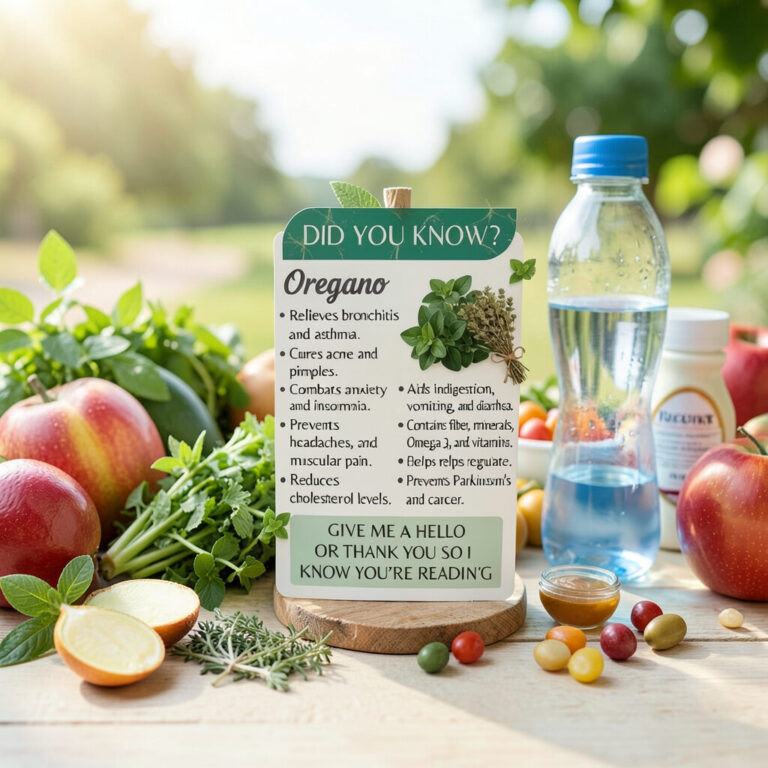
Many people experience occasional indigestion, vomiting, or diarrhea. Oregano has been traditionally used to aid digestion and soothe an upset stomach. Its natural compounds may help to calm the digestive tract, potentially reducing discomfort and promoting smoother digestion. Including oregano in your meals could be a simple, natural way to support a healthy digestive system.
Rich in Nutrients
Oregano is a surprisingly nutrient-dense herb, containing a valuable array of essential vitamins and minerals. It also provides dietary fiber, which is crucial for digestive health, and even some Omega-3 fatty acids, known for their anti-inflammatory properties. These components work together to contribute to a balanced diet and overall nutritional intake, making oregano a small but mighty contributor to your daily nutrient goals.
Antioxidant Powerhouse
The vibrant green leaves of oregano are rich in antioxidants, compounds that help protect your cells from damage caused by free radicals. This antioxidant activity is vital for combating oxidative stress, which is linked to various chronic health issues. Regular intake of antioxidant-rich foods like oregano can play a role in supporting cellular health and potentially reducing the risk of certain diseases.
Potential Anti-inflammatory Properties
Inflammation is a natural bodily response, but chronic inflammation can lead to various health problems. Oregano contains compounds that are thought to possess anti-inflammatory properties. While not a substitute for medical treatment, incorporating oregano into your diet may help to manage inflammatory responses within the body, contributing to overall comfort and wellness.
Skin Health and Clarity
Some traditional uses suggest oregano may help with skin conditions such as acne and pimples. While more research is needed, the herb’s potential antimicrobial and anti-inflammatory properties could play a role in promoting clearer skin. Topically, diluted oregano oil has been explored for its benefits, but internal consumption as part of a healthy diet also contributes to overall skin health.
Managing Discomfort and Pain
Historically, oregano has been used to address various forms of pain, including headaches and muscular pain. While not a painkiller, its compounds may offer some natural relief from discomfort. This potential benefit aligns with its broader anti-inflammatory properties, suggesting it could be a helpful natural aid for minor aches and pains.
Supporting Respiratory Wellness
Oregano has been traditionally employed to help relieve symptoms associated with respiratory conditions like bronchitis and asthma. While it’s important to consult a healthcare professional for these conditions, the herb’s properties may offer some soothing effects on the respiratory system, potentially easing discomfort and supporting clearer breathing.
Cholesterol Management
Maintaining healthy cholesterol levels is important for cardiovascular health. Some research suggests that oregano may contribute to reducing cholesterol levels. While it should be part of a broader heart-healthy diet and lifestyle, including oregano could be one small step towards supporting healthy blood cholesterol.
How to Incorporate Oregano into Your Diet
Integrating oregano into your daily meals is simple and delicious:
- Fresh Oregano: Add fresh, chopped oregano to salads, marinades, omelets, or as a garnish for soups and roasted vegetables.
- Dried Oregano: This is a pantry staple! Use dried oregano in sauces, stews, chili, rubs for meats, or sprinkled over pizzas and pasta dishes.
- Oregano Tea: Steep fresh or dried oregano leaves in hot water for a comforting herbal tea.
- Infused Oils: Create your own oregano-infused olive oil for dressings or cooking.
Important Considerations and Safety Notes
While oregano is generally safe for most people when consumed in food amounts, it’s important to remember a few points:
- Concentrated Forms: Oregano oil, which is much more concentrated than the herb, should be used with caution and often diluted. Consult a healthcare professional before using oregano oil internally or topically, especially if you have underlying health conditions.
- Allergies: Individuals allergic to other plants in the Lamiaceae family (like mint, basil, sage, marjoram) may also be allergic to oregano.
- Medical Conditions: If you have any chronic health conditions, are pregnant, breastfeeding, or taking medications, always speak with a qualified healthcare professional before making significant dietary changes or using herbal remedies, especially in concentrated forms.
Frequently Asked Questions About Oregano
Can oregano help with sleep?
While the infographic mentions combating anxiety and insomnia, the evidence for oregano directly inducing sleep is limited. However, reducing anxiety through its calming properties could indirectly support better sleep for some individuals. It’s often used in traditional remedies for relaxation.
Is fresh or dried oregano better for health benefits?
Both fresh and dried oregano offer health benefits. Dried oregano is often more potent in flavor and concentrated in some compounds due to the drying process. Fresh oregano provides a different flavor profile and still contains beneficial nutrients. The best choice depends on your culinary preference and the dish you’re preparing.
What vitamins and minerals are in oregano?
Oregano contains various vitamins and minerals, including Vitamin K, iron, calcium, manganese, and dietary fiber. It also offers a good source of antioxidants.
Can oregano really prevent serious diseases like Parkinson’s and cancer?
While oregano is rich in antioxidants and compounds that show promise in laboratory studies for their potential protective effects against cellular damage, it is important to understand that no single food or herb can prevent serious diseases like Parkinson’s or cancer. A balanced diet, healthy lifestyle, and appropriate medical care are crucial for disease prevention. Oregano can be a beneficial part of a holistic approach to wellness, but it is not a cure or guaranteed preventative measure.
Final Thoughts on Oregano
Oregano is a truly remarkable herb that offers much more than just a pleasant flavor. From supporting digestive health and providing essential nutrients to its potential anti-inflammatory and antioxidant properties, this common spice holds a valuable place in a healthy diet. By incorporating both fresh and dried oregano into your culinary creations, you can easily enjoy its aromatic charm and contribute to your overall well-being. Remember, while natural remedies can be beneficial, they should complement, not replace, professional medical advice and treatment.