
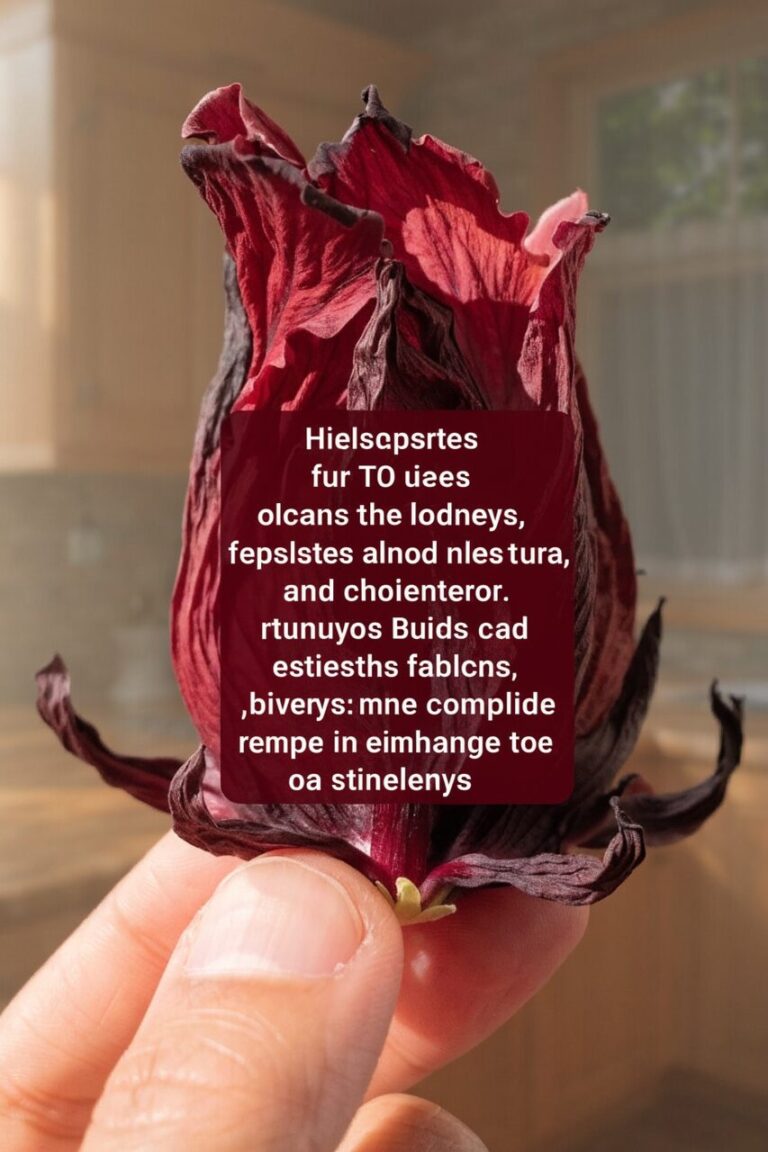
What is Hibiscus Tea and Why It Matters
Hibiscus tea is an herbal infusion made from the dried calyces of the Hibiscus sabdariffa flower, recognized for its deep red color and tart flavor. Popular worldwide, it’s enjoyed both hot and cold and often associated with traditional health practices. Understanding what hibiscus tea offers can help you appreciate its role in everyday wellness.
Traditional Uses and Nutritional Components
Hibiscus tea contains antioxidants, vitamin C, and organic acids like citric acid. Traditionally, it has been used in various cultures to support hydration and refreshment. Its natural tartness and vibrant color make it a popular choice for a flavorful, caffeine-free beverage.
Potential Health Benefits
While no food or drink can cure or prevent disease, hibiscus tea is associated with certain supportive effects when consumed as part of a balanced diet:
- Blood pressure support: Some studies suggest hibiscus tea may help maintain healthy blood pressure levels in adults.
- Antioxidant properties: The antioxidants in hibiscus may contribute to reducing oxidative stress.
- Hydration and digestion: As a herbal infusion, it can be a pleasant way to increase fluid intake.
It is important to note that individual responses vary, and hibiscus tea should not replace any medical treatment or prescribed medication.
How to Use Hibiscus Tea in Daily Life
To enjoy hibiscus tea, steep dried hibiscus petals in hot water for about 5 to 10 minutes. It can be sweetened lightly with honey or sugar if desired and served hot or chilled. Drinking one to two cups daily is common, but amounts can vary based on personal preference and tolerance.
Considerations and Precautions
While hibiscus tea is generally safe for most people, consider the following:
- It may interact with some medications, such as those for blood pressure.
- Pregnant or breastfeeding individuals should consult healthcare providers before regular use.
- Children’s consumption should be moderate and under guidance.
Common Misconceptions
Hibiscus tea is sometimes promoted as a cure or detox agent, but no scientific evidence supports these claims. It’s best viewed as a flavorful herbal beverage that can complement a healthy lifestyle rather than a remedy or treatment.
Everyday Tips for Enjoying Hibiscus Tea
- Use high-quality dried hibiscus flowers for the best flavor and color.
- Combine hibiscus with spices like cinnamon or herbs like laurel for variety.
- Adjust sweetness to your taste, using natural sweeteners moderately.
Frequently Asked Questions
- Can hibiscus tea lower blood pressure? It may help support healthy blood pressure levels, but it should not replace prescribed treatments.
- Is hibiscus tea safe to drink every day? For most adults, moderate daily consumption is safe, but consult your doctor if you have health conditions.
- Does hibiscus tea cause weight loss? No direct evidence supports fat loss claims; weight management involves many factors.
- Can children drink hibiscus tea? It’s best given in moderation and after consulting a healthcare provider.
Conclusion
Hibiscus tea offers a pleasant, caffeine-free option rich in antioxidants and vitamin C. Enjoy it as part of your daily routine for hydration and flavor, keeping in mind its limitations and the importance of professional advice when managing health conditions.