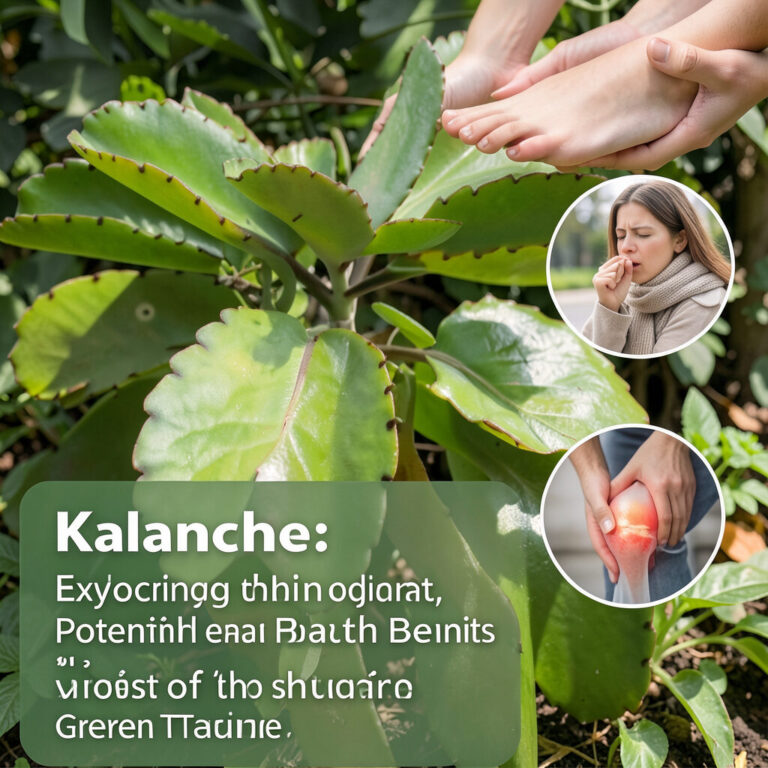
Unveiling the Kalanchoe Plant: A Green Treasure for WellnessThe Kalanchoe plant, often admired for its distinctive thick, fleshy leaves and vibrant flowers, is more than just an ornamental succulent. In various traditional practices, this resilient plant has been valued for its potential health benefits. Often referred to by names like ‘Mother of Thousands’ or ‘Miracle Leaf,’ Kalanchoe has garnered attention for its diverse applications in supporting overall well-being. This article delves into the world of Kalanchoe, exploring its properties and how it may contribute to a healthier lifestyle.From soothing minor discomforts to potentially supporting the body’s natural defenses, the Kalanchoe plant presents an intriguing subject for those interested in natural wellness solutions. We’ll explore what makes this plant unique, its traditional uses, and important considerations for anyone looking to incorporate it into their health regimen.What is the Kalanchoe Plant?Kalanchoe is a genus of succulent plants belonging to the Crassulaceae family, native to Madagascar and tropical Africa. Characterized by their thick, waxy leaves that often have serrated or scalloped edges, Kalanchoe species are well-adapted to arid conditions, storing water in their leaves. While many varieties are cultivated for their beauty, certain species, particularly Kalanchoe pinnata (also known as Bryophyllum pinnatum) and Kalanchoe daigremontiana, are most commonly associated with traditional medicinal uses.These plants are known for their unique reproductive strategy, often producing tiny plantlets along the margins of their leaves, which readily drop off and root, earning them the ‘Mother of Thousands’ moniker. It’s these leaves that are primarily utilized for their potential health-promoting compounds.Key Potential Benefits of KalanchoeThe traditional use of Kalanchoe points to several areas where it may offer support for health. While scientific research is ongoing, these historical applications provide insight into its perceived value:Soothing Discomfort: Traditionally, Kalanchoe leaves have been applied topically to help alleviate localized discomfort, such as that associated with inflamed joints or minor skin irritations. The plant contains compounds that may contribute to a calming sensation.Respiratory Support: In some folk medicine practices, Kalanchoe preparations have been used to support respiratory health, particularly in cases of coughs or congestion. It’s believed to have properties that may help clear airways and ease breathing.Skin Health: The juice or poultice from Kalanchoe leaves has been used for various skin concerns, including minor wounds, burns, and insect bites. Its potential soothing and protective qualities may aid in skin recovery and overall skin health.Antioxidant Properties: Kalanchoe contains various bioactive compounds, including flavonoids and phenolic acids, which are known for their antioxidant activity. Antioxidants help protect the body’s cells from damage caused by free radicals, contributing to overall cellular health and potentially supporting healthy aging.Immune System Support: Some traditional uses suggest that Kalanchoe may help bolster the body’s natural defenses. While not a direct immune booster, the presence of beneficial compounds might contribute to general wellness, which in turn supports a healthy immune response.Important Components of KalanchoeThe potential health properties of Kalanchoe are attributed to its rich phytochemical profile. Key compounds found in the plant include:Flavonoids: These are plant compounds with antioxidant and anti-inflammatory properties.Bufadienolides: A group of cardiotonic steroids that have been studied for various biological activities.Phenolic Acids: These compounds also contribute to the plant’s antioxidant capacity.Organic Acids: Such as isocitric acid, which plays a role in plant metabolism.These components work synergistically, contributing to the plant’s overall traditional efficacy.How Kalanchoe May Support Your HealthIntegrating Kalanchoe into a wellness routine, especially when guided by traditional wisdom, often focuses on its potential to provide natural relief and support. For example, applying a crushed leaf poultice to an affected area, such as a sore foot or an inflamed knee, is a common traditional method for localized soothing. For respiratory concerns, some cultures have prepared infusions or decoctions from the leaves to ease symptoms. It’s important to remember that these are traditional uses and not medical prescriptions.Practical Tips for Using KalanchoeIf you are considering using Kalanchoe for wellness purposes, here are some general approaches based on traditional practices:Topical Application: For skin concerns or localized discomfort, a fresh Kalanchoe leaf can be crushed or blended to extract its juice. This juice or the mashed leaf material can then be applied directly to the skin as a poultice. Ensure the skin is clean before application.Infusions: For internal use, some traditions prepare a tea by steeping fresh Kalanchoe leaves in hot water. This is often done for general wellness support or respiratory issues.Always start with a small amount to observe how your body reacts.Important Considerations and Safety NotesWhile Kalanchoe has a long history of traditional use, it’s crucial to approach its use with caution and awareness:Consult a Healthcare Professional: Before using Kalanchoe, especially if you have underlying health conditions, are pregnant or breastfeeding, or are taking medications, consult with a qualified healthcare professional. They can provide personalized advice and ensure it won’t interact negatively with your current health regimen.Dosage and Preparation: There is no standardized dosage for Kalanchoe in modern medicine. Traditional uses vary, and it’s essential to exercise caution.Toxicity: Some species of Kalanchoe can be toxic if ingested in large quantities, particularly to animals. While Kalanchoe pinnata is widely used, it’s important to be sure of the specific species you are using and to understand its potential effects.Allergic Reactions: As with any plant-based remedy, allergic reactions are possible. Perform a patch test before extensive topical application.Not a Substitute for Medical Treatment: Kalanchoe should not be used as a substitute for prescribed medical treatments for any health condition. It is a complementary approach, if used at all.Frequently Asked Questions About KalanchoeIs Kalanchoe safe to eat?While some traditional practices involve internal consumption of certain Kalanchoe species, it’s important to be aware that not all Kalanchoe varieties are safe for consumption, and some can be toxic. Always identify the specific species and consult with a health expert before ingesting any part of the plant.Can Kalanchoe help with joint pain?Traditionally, Kalanchoe has been used topically to help soothe discomfort associated with joint pain. Its potential anti-inflammatory properties are often cited in folk medicine, but scientific evidence is still developing.How do I prepare Kalanchoe for topical use?For topical use, you can crush a fresh Kalanchoe leaf to release its juice and apply the pulp directly to the skin as a poultice. Some people also extract the juice and apply it with a cotton ball.What are the common names for Kalanchoe?Kalanchoe is known by several common names, including ‘Mother of Thousands,’ ‘Miracle Leaf,’ ‘Leaf of Life,’ and ‘Air Plant,’ depending on the specific species and region.Final Thoughts on KalanchoeThe Kalanchoe plant stands as a fascinating example of nature’s potential contributions to wellness. With its historical roots in traditional medicine and ongoing interest in its bioactive compounds, it offers an intriguing avenue for those exploring natural health support. As with all natural remedies, understanding its properties, respecting its potential, and prioritizing safety through informed choices and professional guidance are key to harnessing its benefits responsibly. This green treasure, when approached with care, may indeed offer valuable support for your health journey.
Search Results for: Kalanchoe: Exploring the Potential Health Benefits of This Green Treasure