
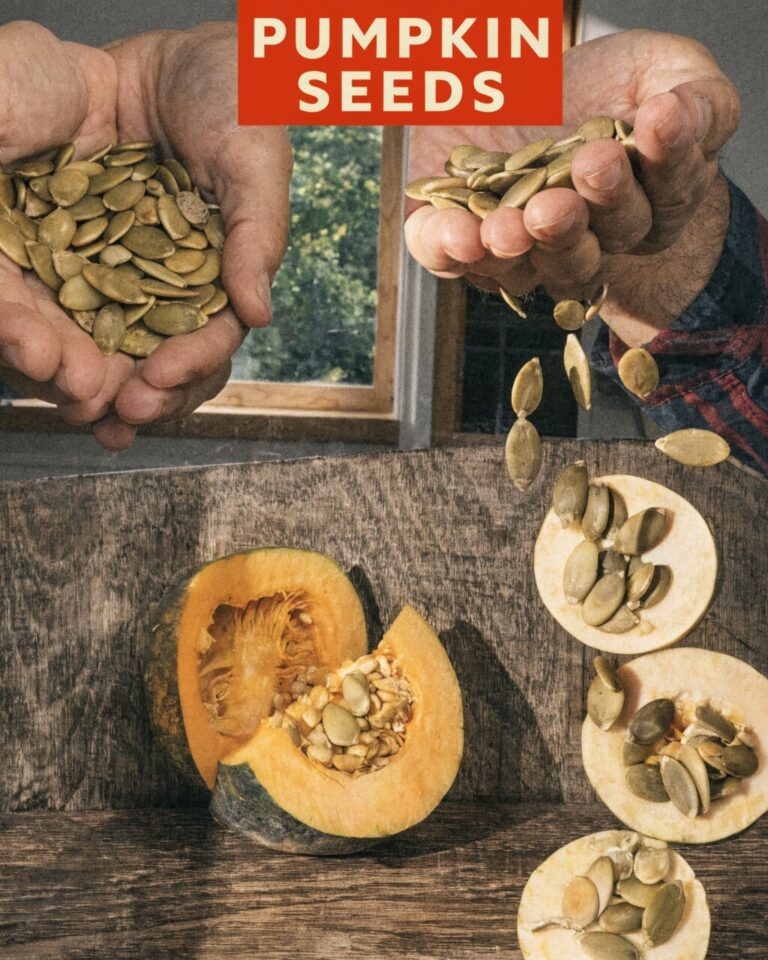
Introduction to Pumpkin Seeds and Their Importance
Pumpkin seeds, also known as pepitas, are nutrient-dense seeds that come from pumpkins. They have been consumed for centuries and are known for their rich nutritional profile. Including pumpkin seeds in your daily diet can contribute to overall health and well-being.
Key Nutrients in Pumpkin Seeds
Pumpkin seeds are a good source of protein, healthy fats, fiber, vitamins, and minerals such as magnesium, zinc, and iron. These nutrients are essential for various bodily functions and may offer several health benefits.
Potential Health Benefits
Support for Muscles and Joints
The magnesium and antioxidants in pumpkin seeds may help support muscle function and reduce inflammation in joints. This can be beneficial for maintaining mobility and reducing discomfort associated with joint stiffness.
Reproductive Health
Zinc and other minerals found in pumpkin seeds are important for reproductive health. Zinc, in particular, plays a role in supporting healthy sperm production and overall male fertility.
Kidney Health
Consuming pumpkin seeds as part of a balanced diet may contribute to kidney health. Their antioxidant properties help protect cells from damage and support the body’s natural detoxification processes.
Physical Activity and Recovery
The combination of protein and nutrients in pumpkin seeds can aid in muscle recovery and energy production, making them a good snack choice for active individuals.
How to Incorporate Pumpkin Seeds into Your Daily Diet
Adding a small handful of pumpkin seeds to your meals or snacks is an easy way to enjoy their benefits. They can be sprinkled on salads, yogurt, oatmeal, or eaten on their own as a crunchy snack.
Considerations and Limitations
While pumpkin seeds are generally safe for most people, those with allergies to seeds or nuts should exercise caution. Additionally, consuming them in moderation is key, as they are calorie-dense. If you have kidney disease or other health conditions, consult a healthcare professional before making significant dietary changes.
Common Misconceptions
It’s important to understand that no single food, including pumpkin seeds, can cure or prevent diseases on its own. They are part of a balanced diet that supports overall health.
Everyday Tips
- Choose raw or dry-roasted pumpkin seeds without added salt or sugar for the healthiest option.
- Store pumpkin seeds in an airtight container to maintain freshness.
- Combine pumpkin seeds with other nutrient-rich foods to maximize benefits.
Frequently Asked Questions
- Can pumpkin seeds improve joint pain? They may help reduce inflammation due to their antioxidant content, but they are not a substitute for medical treatment.
- How many pumpkin seeds should I eat daily? A small handful, about 1 ounce (28 grams), is a reasonable amount to enjoy their benefits.
- Are pumpkin seeds suitable for everyone? Most people can enjoy them, but those with seed allergies should avoid them.
- Can pumpkin seeds affect kidney function? They contain nutrients that support kidney health, but individuals with kidney issues should consult a healthcare provider.
Conclusion
Including pumpkin seeds in your daily diet can provide valuable nutrients that support muscles, joints, reproductive health, and kidney function. They are a simple, nutritious addition to a balanced diet.