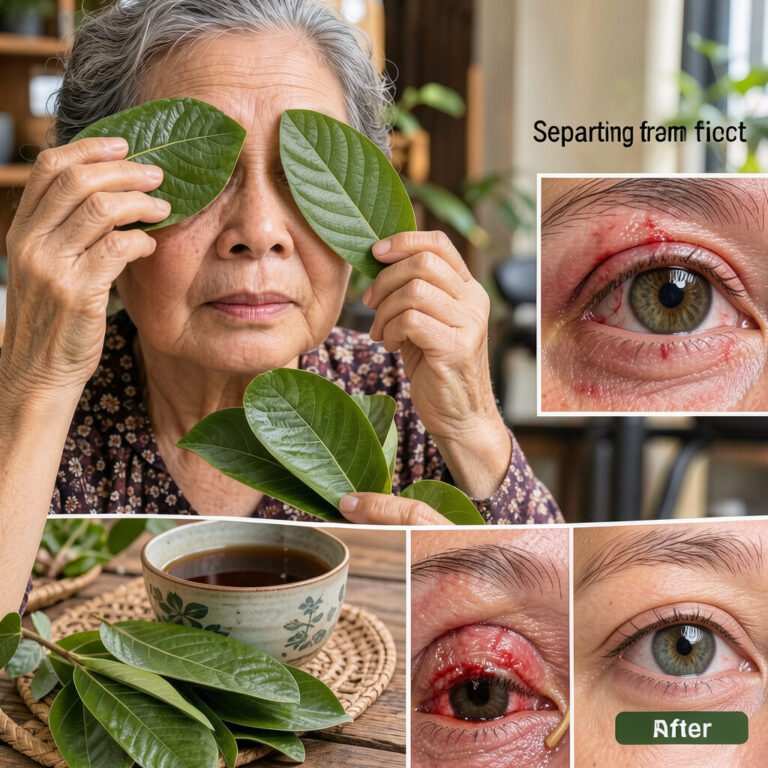
Are Guava Leaves a Miracle Cure for Vision Problems?In the age of viral social media trends and natural remedies, it’s common to encounter bold claims about the healing powers of various plants. One such claim circulating online suggests that guava leaves can combat all vision problems, even promising clearer vision than a 25-year-old in just 72 hours. These assertions often feature compelling imagery, such as before-and-after photos of eyes and individuals using guava leaves in traditional ways. But what does science really say about the potential benefits of guava leaves for eye health? It’s crucial to separate fact from fiction when it comes to our precious eyesight.While guava leaves are indeed packed with beneficial nutrients and compounds, the idea of them being a ‘miracle cure’ for serious vision issues requires a closer, more realistic look. This article will explore the nutritional profile of guava leaves, their known health benefits, and specifically address the scientific evidence (or lack thereof) regarding their impact on vision problems. We’ll help you understand what role, if any, guava leaves might play in supporting overall eye health as part of a balanced lifestyle.The Nutritional Powerhouse: What’s in Guava Leaves?Guava leaves are renowned in many traditional medicine systems for their medicinal properties. These leaves are rich in various bioactive compounds, including antioxidants, anti-inflammatory agents, and vitamins. Key nutritional components found in guava leaves that are relevant to general health include:Vitamin C: A powerful antioxidant that helps protect cells from damage and supports immune function. While often associated with citrus, guava leaves also contain significant amounts.Flavonoids: These plant compounds have antioxidant and anti-inflammatory effects. Quercetin and catechin are examples found in guava leaves.Polyphenols: Another group of antioxidants that contribute to the leaves’ health-promoting properties.Carotenoids: Precursors to Vitamin A, which is essential for good vision. While guavas (the fruit) are known for their carotenoid content, the leaves also contain some.These components collectively contribute to the wide array of traditional uses for guava leaves, from digestive health to managing blood sugar levels.Guava Leaves and Eye Health: What Does the Science Say?The claims of guava leaves being a rapid cure for vision problems, as depicted in some viral content, lack robust scientific backing. There is currently no credible scientific evidence or clinical research to support the notion that guava leaf tea or topical applications can reverse severe eye infections, restore vision in 72 hours, or cure conditions like cataracts, glaucoma, or macular degeneration. Such dramatic improvements would typically require advanced medical interventions.However, this doesn’t mean guava leaves offer no benefit for eye health. The antioxidants present in guava leaves, particularly Vitamin C and various flavonoids and polyphenols, are known to combat oxidative stress. Oxidative stress is a factor in the development and progression of several age-related eye conditions. By reducing oxidative damage, these compounds may play a supportive role in maintaining overall eye health over the long term, rather than acting as a direct cure for existing problems.Potential Indirect Benefits for Eye HealthAntioxidant Protection: The high antioxidant content may help protect the delicate cells of the eyes from damage caused by free radicals, which can contribute to conditions like cataracts and age-related macular degeneration.Anti-inflammatory Properties: Chronic inflammation can negatively impact eye health. Guava leaves’ anti-inflammatory compounds might help reduce inflammation, potentially supporting a healthier ocular environment.General Wellness: A healthy body generally supports healthy eyes. By contributing to overall wellness, immune function, and potentially helping manage conditions like diabetes (which can impact vision), guava leaves might indirectly benefit eye health.It’s vital to understand that these are potential supportive roles, not direct treatments or cures for specific vision problems. For serious eye conditions or vision impairment, professional medical diagnosis and treatment are essential.How Guava Leaves are Traditionally Used (and How Not To)Traditionally, guava leaves are often consumed as a tea. To prepare guava leaf tea, fresh or dried leaves are steeped in hot water. This infusion is typically consumed for its general health benefits, such as aiding digestion or boosting immunity. Some traditional practices might involve using cooled guava leaf concoctions as a wash for minor irritations, but this is far removed from treating severe eye infections or restoring vision.It is crucial to emphasize that direct application of guava leaves or highly concentrated solutions to the eyes, especially for severe infections or vision loss, is strongly discouraged. The eyes are extremely sensitive, and introducing unsterilized plant material can lead to further irritation, infection, or even damage. The ‘Before’ image showing a severely infected eye highlights a condition that requires immediate medical attention from an ophthalmologist, not a home remedy.Important Considerations and Safety NotesWhile guava leaves are generally considered safe for consumption as a tea or in food, it’s important to exercise caution, especially when considering them for health purposes:Not a Substitute for Medical Care: Guava leaves are not a replacement for professional medical advice, diagnosis, or treatment for any eye condition. If you experience vision problems, pain, redness, discharge, or any other concerning eye symptoms, consult an eye care professional immediately.Allergies: Some individuals may be allergic to guava or its leaves. Discontinue use if you experience any adverse reactions.Interactions: If you are taking any medications, especially for blood sugar or blood pressure, consult your doctor before regularly consuming guava leaf tea, as it may interact with certain drugs.Hygiene: If using guava leaves for any topical application, ensure they are thoroughly cleaned to prevent introducing bacteria or contaminants. However, direct application to the eyes is not recommended.Always prioritize evidence-based medical treatments for eye health and vision care.Frequently Asked Questions About Guava Leaves and VisionCan guava leaf tea improve my eyesight?While guava leaves contain antioxidants that support general health, including potentially reducing oxidative stress relevant to eye health, there is no scientific evidence that drinking guava leaf tea can directly improve or restore eyesight, especially for existing vision problems like nearsightedness, farsightedness, or severe eye diseases.Are guava leaves safe to put directly on my eyes for infection?No, it is not safe to put guava leaves or their extracts directly into your eyes for infection. The eyes are very delicate, and unsterilized plant material can introduce bacteria, cause irritation, or worsen an infection. Eye infections require prompt medical attention from a healthcare professional.What nutrients in guava leaves are good for eye health?Guava leaves contain antioxidants like Vitamin C, flavonoids, and polyphenols. These compounds help protect cells from oxidative damage throughout the body, including the eyes. While beneficial for overall health, their role in directly curing vision problems is not supported by scientific research.Can guava leaves help with age-related eye conditions?The antioxidant properties of guava leaves may contribute to reducing oxidative stress, which is a factor in some age-related eye conditions. However, this is a supportive role as part of a healthy diet and lifestyle, not a preventative measure or treatment for conditions like cataracts or macular degeneration.Should I stop my prescribed eye medication if I use guava leaves?Absolutely not. Never stop or alter any prescribed medication or treatment for your eyes without consulting your ophthalmologist or healthcare provider. Guava leaves are not a substitute for conventional medical treatment for eye conditions.Final Thoughts on Guava Leaves and VisionGuava leaves are undoubtedly a beneficial component of traditional medicine and a source of valuable nutrients and antioxidants. They can contribute to overall wellness when consumed as part of a healthy diet. However, it is essential to approach claims of ‘miracle cures’ for vision problems with a critical and informed perspective. The scientific community does not support the idea that guava leaves can rapidly or miraculously cure serious eye conditions or restore vision. For any concerns about your eye health or vision, always consult with a qualified healthcare professional or an ophthalmologist. They can provide accurate diagnoses and appropriate, evidence-based treatment plans to protect your precious sight.
Guava Leaves for Vision Problems: Separating Fact from Fiction