
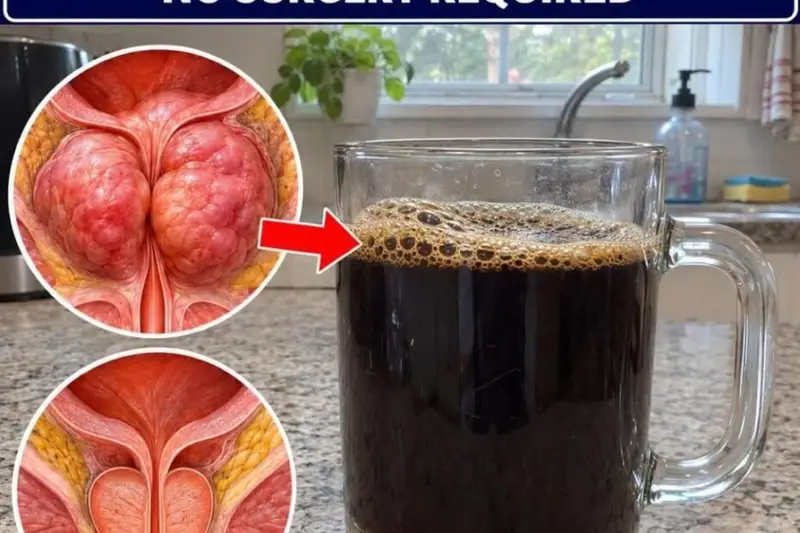
As men grow older, changes in prostate health become increasingly common. One of the most frequent conditions is benign prostatic hyperplasia (BPH), also known as an enlarged prostate.The prostate is a small gland located below the bladder and surrounding the urethra, the tube that carries urine out of the body. When this gland becomes enlarged, it can place pressure on the urethra and make urination more difficult.Some men experience frequent nighttime bathroom visits, a weak urine stream, difficulty starting urination, or the uncomfortable sensation that their bladder has not emptied completely.Although coffee is enjoyed by millions of people worldwide, there is no scientific evidence that a particular coffee drink can eliminate an enlarged prostate or restore normal prostate function in five minutes.In fact, caffeine may worsen urinary urgency and frequency in some men.However, understanding how coffee affects the urinary system, choosing appropriate beverages, and adopting healthy lifestyle habits can help men make better decisions about prostate health.A Simple Homemade Coffee DrinkIf you enjoy coffee, you can prepare a simple beverage using ordinary ingredients.Ingredients1 cup of hot water (approximately 240 ml).1 teaspoon of instant coffee.A small pinch of cinnamon (optional).A little honey (optional).Step-by-Step PreparationStep 1: Heat the WaterPour one cup of fresh water into a kettle or saucepan.Heat until hot, but there is no need to let it boil for an extended period.Step 2: Add the CoffeePlace one teaspoon of instant coffee into your favorite cup.Pour in the hot water and stir until the coffee dissolves completely.Step 3: Add CinnamonIf desired, add a small pinch of cinnamon for additional flavor.Step 4: Sweeten LightlyYou may add a little honey, although it is best to avoid excessive added sugar.Step 5: Enjoy in ModerationAllow the drink to cool slightly before drinking.Remember that this is simply a coffee beverage, not a treatment for an enlarged prostate. Men who experience urinary urgency, frequent urination, or nighttime bathroom visits may benefit from reducing or avoiding caffeine.7 Natural Ways to Support Prostate Health1. Eat More TomatoesTomatoes contain lycopene, a naturally occurring antioxidant responsible for their red color.Lycopene has been studied for its potential relationship with prostate health.Tomatoes can be included in soups, salads, sauces, and other balanced meals.Cooked tomatoes are also a convenient source of dietary lycopene.2. Include Pumpkin Seeds in Your DietPumpkin seeds provide zinc, magnesium, healthy fats, and other nutrients.They make a nutritious snack and can easily be added to salads, oatmeal, or yogurt.Although pumpkin seeds are often promoted as a natural prostate remedy, evidence that they can shrink an enlarged prostate remains limited.3. Eat More VegetablesBroccoli, spinach, cauliflower, carrots, and other vegetables provide vitamins, minerals, and dietary fiber.A diet rich in vegetables supports overall metabolic and cardiovascular health.4. Maintain a Healthy WeightExcess body weight, particularly around the abdomen, is associated with an increased risk of several urinary and metabolic problems.Gradual weight management through balanced meals and regular physical activity can support general health.5. Stay Physically ActiveWalking, swimming, cycling at a comfortable level, and other suitable activities can help maintain a healthy weight and cardiovascular system.Aim for regular movement throughout the week.6. Reduce Evening Fluid IntakeMen who frequently wake up at night to urinate may find it helpful to drink most of their fluids earlier in the day.Reducing beverages in the two or three hours before bedtime may decrease nighttime bathroom visits.However, avoid dehydration.7. Limit Caffeine and AlcoholCoffee, tea, energy drinks, and alcohol can increase urinary frequency or urgency in some individuals.If you regularly wake up at night to urinate, consider reducing caffeine intake, particularly during the afternoon and evening.6 Common Symptoms of an Enlarged ProstateBenign prostatic hyperplasia becomes increasingly common with age.Possible symptoms include:Frequent urination during the day.Waking up multiple times during the night to urinate.A weak or interrupted urine stream.Difficulty starting urination.Feeling that the bladder has not emptied completely.Sudden urges to urinate.These symptoms do not automatically mean that someone has prostate enlargement. Other conditions, including urinary infections and bladder problems, can produce similar symptoms.A medical evaluation is important to determine the cause.What Happens When the Prostate Becomes Enlarged?The prostate surrounds part of the urethra.When the gland enlarges, it can compress this passage and interfere with the normal flow of urine.The bladder may need to work harder to empty itself.Over time, some men develop urinary retention, bladder stones, recurrent urinary infections, or kidney complications.Fortunately, several effective medical treatments are available.Medical Treatments for an Enlarged ProstateTreatment depends on symptom severity, prostate size, general health, and individual preferences.Alpha BlockersMedications such as tamsulosin help relax muscles around the prostate and bladder neck, making urination easier.5-Alpha Reductase InhibitorsMedications such as finasteride and dutasteride can gradually reduce prostate size in appropriately selected patients.Their benefits generally take several months to become noticeable.Minimally Invasive ProceduresSeveral procedures can improve urinary symptoms without traditional major surgery.The appropriate option depends on the patient’s condition and medical assessment.Surgical TreatmentFor severe symptoms or complications, procedures such as transurethral resection of the prostate (TURP) may be recommended.Not every man with an enlarged prostate requires surgery.Foods and Drinks to Be Careful With
Some foods and beverages may aggravate urinary symptoms in certain men.Consider monitoring your response to:Excessive coffee.Strong black tea.Energy drinks.Alcohol.Carbonated beverages.Very spicy foods.Large amounts of fluids immediately before bedtime.Individual reactions vary, so keeping a simple food and symptom diary may help identify personal triggers.Important Warning SignsSome urinary symptoms require urgent medical attention.Seek immediate medical care if you:Cannot urinate at all.Experience severe lower abdominal pain with difficulty urinating.Notice blood in your urine.Develop fever and chills alongside painful urination.Experience severe back or flank pain with urinary symptoms.Sudden inability to urinate is an emergency and should never be treated with coffee or homemade remedies.Frequently Asked Questions1. Can coffee shrink an enlarged prostate?There is no reliable clinical evidence that drinking coffee shrinks the prostate. Caffeine may actually aggravate urinary symptoms in some men.2. Can an enlarged prostate disappear naturally?Lifestyle changes may improve certain symptoms, but they do not reliably reverse prostate enlargement. Medical treatment may be necessary.3. Are pumpkin seeds good for prostate health?Pumpkin seeds contain several nutrients and can be part of a balanced diet. However, they are not a proven cure for BPH.4. Does drinking water help urinary health?Adequate hydration is important for normal body function. However, drinking large quantities immediately before sleeping can increase nighttime urination.5. Does every enlarged prostate require surgery?No. Many men manage their symptoms through monitoring, medication, and lifestyle changes. Surgery is reserved for selected cases.6. At what age should men pay attention to prostate health?Prostate enlargement becomes more common after age 50, although symptoms and risk vary between individuals.Final ThoughtsProstate health deserves attention, particularly as men get older.Coffee can be enjoyed as part of an ordinary diet, but no homemade coffee recipe can eliminate an enlarged prostate in five minutes or replace medical treatment.A balanced diet containing tomatoes, vegetables, fruits, and healthy fats, combined with regular physical activity and appropriate medical checkups, can support overall health.Most importantly, men experiencing weak urine flow, frequent nighttime urination, or difficulty emptying their bladder should speak with a healthcare professional.Early diagnosis and appropriate treatment can help prevent complications and improve quality of life.