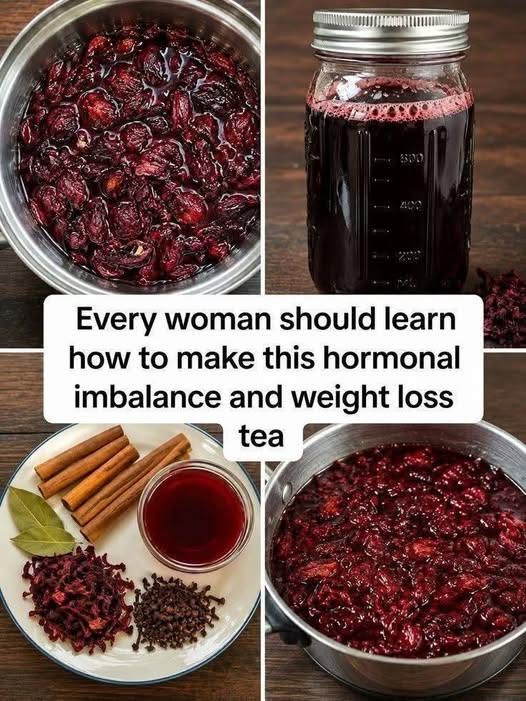
This Anti-Inflammatory Hibiscus Drink is a beautiful, ruby-red herbal beverage made with dried hibiscus flowers, hot water, and a few simple optional ingredients. Naturally tart, refreshing, and full of flavor, hibiscus tea can be enjoyed warm on chilly days or served over ice for a cooling drink during warmer weather.Hibiscus flowers contain naturally occurring plant compounds called anthocyanins, which contribute to their vibrant red color and antioxidant activity. Research suggests that hibiscus tea may also help support healthy blood pressure in some people, although its effects vary and it should not be considered a treatment for medical conditions.The best part? This homemade hibiscus drink requires just a few ingredients and takes only minutes to prepare. You can enjoy it plain, add a squeeze of fresh lemon for a citrusy twist, or stir in a little honey to balance its naturally tangy flavor.Whether you are looking for a refreshing alternative to sugary beverages or simply want to add another herbal drink to your daily routine, this easy hibiscus tea recipe is a delicious option.Why You’ll Love This Hibiscus DrinkSimple ingredients: Made with dried hibiscus flowers, water, and optional honey and lemon.Beautiful natural color: Hibiscus creates a rich ruby-red infusion without artificial coloring.Easy to prepare: Ready in about 10 minutes, including steeping time.Enjoy it hot or cold: Perfect as a cozy herbal tea or a refreshing iced drink.Naturally caffeine-free: Pure hibiscus tea contains no caffeine, making it an alternative to traditional caffeinated tea.A flavorful, lighter beverage: Enjoy its tangy taste without adding sugar, or sweeten it lightly to suit your preference.Contains antioxidants: Hibiscus provides plant compounds that have attracted scientific interest for their potential health benefits.Anti-Inflammatory Hibiscus Drink Recipe<text weight=”medium” size=”md”>Recipe at a Glance</text>Details InformationPrep time 2 minutesSteeping time 5–10 minutesTotal time About 10–12 minutesServings 1 cupDifficulty EasyMain ingredient Dried hibiscus flowersBest served Warm or chilledIngredientsThis simple recipe uses everyday ingredients that are easy to measure and customize.1–2 teaspoons dried hibiscus flowers: The main ingredient, responsible for the drink’s bright red color and tart, fruity flavor.1 cup (250 ml) hot water: Helps extract the flavor and color from the dried flowers.1 teaspoon honey (optional): Adds natural sweetness and balances the tanginess of hibiscus.A squeeze of fresh lemon juice (optional): Adds a bright citrus flavor that complements the floral notes.Ingredient Notes and SubstitutionsDried hibiscus flowers: Choose food-grade dried hibiscus intended for making tea. The flavor becomes stronger and more tart when you use a larger quantity or steep it for longer.Honey: If you prefer an unsweetened beverage, simply leave it out. You can also adjust the quantity according to your taste.Lemon juice: Fresh lemon adds a refreshing citrus note, but the tea is delicious without it.Cold water and ice: To make iced hibiscus tea, prepare the infusion with hot water, let it cool, and pour it over ice.How to Make Hibiscus TeaFollow these simple steps to prepare a flavorful cup of homemade hibiscus tea.Step 1: Add the Hibiscus FlowersPlace 1–2 teaspoons of dried hibiscus flowers into a heat-resistant cup or teapot. Make sure the flowers are suitable for food use.Step 2: Pour in Hot WaterHeat the water until hot, then pour 1 cup (250 ml) over the dried flowers. The water will gradually develop a deep red color as the flowers release their natural pigments and flavor.Step 3: Allow the Tea to SteepCover the cup and let the hibiscus flowers steep for 5–10 minutes.For a lighter, milder flavor, steep for around 5 minutes. If you prefer a deeper color and a more pronounced tartness, allow it to steep closer to 10 minutes.Step 4: Strain the DrinkCarefully strain the tea into a clean cup to remove the flowers. You should now have a vibrant ruby-red herbal infusion.Step 5: Add Optional FlavoringsStir in honey if you prefer a sweeter drink. Add a squeeze of lemon juice for a fresh, citrusy finish.Taste the tea and adjust the sweetness or lemon according to your preference.Step 6: Serve and EnjoyEnjoy the tea warm, or let it cool before serving it over ice. Either way, this simple hibiscus drink offers a refreshing combination of tartness, floral flavor, and natural color.Potential Health Benefits of Hibiscus TeaHibiscus tea is more than an attractive herbal beverage. Its naturally occurring plant compounds have been investigated for several potential health effects. However, research is ongoing, and drinking hibiscus tea should not replace medical treatment.1. Contains Antioxidant Plant CompoundsHibiscus flowers contain anthocyanins and other polyphenols that contribute to their antioxidant activity.Antioxidants help protect cells from oxidative stress, which occurs when there is an imbalance between free radicals and the body’s protective systems.Including a variety of colorful fruits, vegetables, herbs, and other plant foods in your diet can help provide different antioxidant compounds.2. May Help Support Healthy Blood PressureOne of the most studied potential benefits of hibiscus tea is its effect on blood pressure.Some clinical studies suggest that regularly consuming hibiscus tea may modestly reduce blood pressure in certain adults. However, results vary, and the drink does not work the same way for everyone.If you have high blood pressure, continue following your healthcare professional’s advice and prescribed treatment. Hibiscus tea should be considered a possible dietary addition, not a replacement for medication.3. May Support Overall Cardiovascular HealthResearchers are investigating whether the antioxidant compounds in hibiscus may have additional cardiovascular benefits.Healthy blood pressure is an important part of cardiovascular health, but evidence that hibiscus tea prevents heart disease or heart attacks remains insufficient.For better overall heart health, focus on a balanced diet, regular physical activity, adequate sleep, and appropriate medical care.4. Contains Compounds Studied for Anti-Inflammatory ActivitySome laboratory studies suggest that compounds in hibiscus may influence biological processes associated with inflammation.However, evidence that drinking hibiscus tea meaningfully reduces inflammation in humans is limited. It has not been established as a treatment for arthritis, chronic pain, or inflammatory diseases.Enjoy hibiscus tea for its flavor and potential nutritional value rather than relying on it as an anti-inflammatory medicine.5. Offers a Refreshing Alternative to Sugary DrinksPlain hibiscus tea is naturally low in calories and contains no added sugar unless you choose to sweeten it.Replacing some sugary drinks with unsweetened herbal tea can be a practical way to reduce added sugar intake.You can enjoy it as a morning drink, an afternoon refreshment, or a chilled beverage alongside lunch or dinner.Hot Hibiscus Tea vs. Iced Hibiscus TeaOne of the best features of this recipe is its versatility.Hot hibiscus tea: Serve it freshly strained for a warm, tart herbal drink. A little honey can soften the flavor if needed.Iced hibiscus tea: Allow the prepared tea to cool, then pour it over ice. Add lemon slices for a refreshing presentation.Lightly sweetened hibiscus tea: Add a small amount of honey while the tea is warm so it dissolves easily.Citrus hibiscus tea: Add lemon or orange slices for a fruity, citrus-inspired variation.For a larger batch, multiply the ingredients while keeping the proportions similar. Refrigerate the prepared tea promptly in a covered container and enjoy it within a few days.Helpful Tips for the Best Hibiscus DrinkAdjust the strength: Use 1 teaspoon for a milder infusion or 2 teaspoons for a stronger, more tart flavor.Cover while steeping: This helps retain the aroma while the flowers infuse.Avoid excessive steeping: Longer steeping can make the tea more intense and sour than you may prefer.Sweeten gradually: Start with a small amount of honey and add more only if needed.Use clean equipment: A clean cup, teapot, and strainer help maintain the quality of your drink.Chill before serving: For iced tea, allow the infusion to cool and refrigerate it in a covered container before serving.Choose quality ingredients: Use food-grade hibiscus flowers from a reliable source.Important Safety PrecautionsHibiscus tea is generally enjoyed as a beverage, but there are a few precautions to keep in mind.Low blood pressure: Hibiscus may lower blood pressure in some people. If your blood pressure is already low, use caution.Blood pressure medication: If you take medication for hypertension, consult your healthcare professional before drinking hibiscus tea regularly or in large quantities, as its effects may add to those of your medication.Other medications: If you take regular medication or have an ongoing health condition, ask a healthcare professional whether frequent hibiscus tea consumption is appropriate for you.Pregnancy and breastfeeding: Safety information for medicinal amounts of hibiscus is limited. Consult your healthcare professional before using it regularly for health purposes during pregnancy or breastfeeding.Avoid replacing medical treatment: Hibiscus tea is not a substitute for prescribed medication or professional treatment for high blood pressure, heart disease, or inflammatory conditions.Frequently Asked QuestionsWhat does hibiscus tea taste like?Hibiscus tea has a tart, tangy flavor that is often compared to cranberries. Its taste can be adjusted by changing the steeping time or adding a little honey or lemon.Can I drink hibiscus tea every day?Some adults may enjoy moderate amounts as part of their usual diet, but the ideal amount and long-term safety depend on individual circumstances. If you have low blood pressure, take medication, or have an ongoing health condition, consult a healthcare professional before making it a daily habit.Is hibiscus tea naturally caffeine-free?Yes. Pure hibiscus tea made only from hibiscus flowers and water is naturally caffeine-free. Check packaged blends for other ingredients, particularly if they contain black or green tea.Can hibiscus tea help with inflammation?Hibiscus contains compounds that have shown anti-inflammatory activity in laboratory research. However, strong evidence that drinking the tea treats inflammation in humans is lacking.Can I drink hibiscus tea if I have high blood pressure?Hibiscus tea may modestly lower blood pressure in some people. If you have hypertension, speak with your healthcare professional before using it regularly, especially if you take blood pressure medication. Do not stop or change your prescribed treatment on your own.How should I store leftover hibiscus tea?Allow the tea to cool, transfer it to a clean, covered container, and refrigerate it promptly. For the best quality, enjoy it within a few days and discard it if its smell, appearance, or taste changes unexpectedly.Final ThoughtsThis Anti-Inflammatory Hibiscus Drink is a simple, colorful, and refreshing herbal tea that you can prepare in just a few minutes. Its tart flavor, ruby-red appearance, and naturally occurring antioxidant compounds make it an enjoyable addition to a balanced lifestyle.Research suggests that hibiscus tea may offer modest blood-pressure benefits for some people, while its potential anti-inflammatory effects still require further human studies. It is best enjoyed as a beverage rather than a treatment for illness.Make a warm cup on a relaxing evening or chill a batch for a refreshing afternoon drink. With just dried hibiscus flowers, water, and your favorite optional flavorings, you can prepare a delicious homemade herbal tea without complicated ingredients.Save this easy hibiscus tea recipe for later and enjoy a refreshing homemade drink whenever you’re in the mood for something fruity, tangy, and naturally colorful!
Anti-Inflammatory Hibiscus Drink Recipe