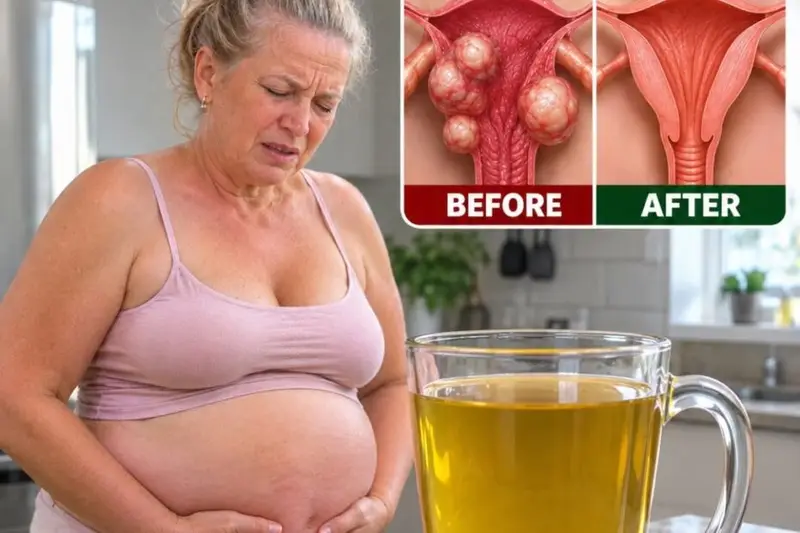
NeNovember 10, 2026Many women experience changes in their reproductive health as they get older. Abdominal discomfort, heavy menstrual bleeding, pelvic pressure, and irregular periods are among the symptoms that can affect everyday life.One condition that deserves particular attention is uterine fibroids. These are noncancerous growths that develop in or around the uterus. Although many women have fibroids without experiencing symptoms, others may experience discomfort that interferes with their quality of life.You may have seen claims online suggesting that a simple homemade drink can completely cleanse the uterus, eliminate fibroids in 30 minutes, and permanently remove inflammation.However, there is no scientific evidence that any drink can cleanse the uterus or dissolve fibroids. Fortunately, there are healthy dietary habits that can support general well-being and complement appropriate medical care.Let’s explore uterine health, understand fibroids, and prepare a simple nourishing drink.1. What Are Uterine Fibroids?Uterine fibroids, also called leiomyomas, are noncancerous growths that develop from the muscle tissue of the uterus.They can vary considerably in size. Some are as small as a pea, while others can become much larger.Common symptoms include:Heavy or prolonged menstrual bleeding.Pelvic pressure or discomfort.Lower abdominal pain.Frequent urination.Constipation.Lower back discomfort.Abdominal enlargement.Some women have no symptoms and discover fibroids during a routine gynecological examination.2. Why Do Fibroids Develop?The exact causes are not completely understood, but several factors may influence their development.These include:Hormonal influences, particularly estrogen and progesterone.Genetic factors.Family history.Age and reproductive history.Certain metabolic and lifestyle factors.Fibroids are particularly common during the reproductive years and may shrink after menopause as hormone levels decline.3. A Simple Homemade Ginger and Lemon DrinkAlthough ginger and lemon cannot eliminate uterine fibroids, this refreshing drink can be included in a balanced diet.Ingredients1 cup of warm water.3 thin slices of fresh ginger.1 teaspoon of fresh lemon juice.1 teaspoon of honey (optional).Step 1: Prepare the GingerWash the fresh ginger thoroughly and cut three thin slices.Ginger provides a naturally warming flavor and contains plant compounds called gingerols.Step 2: Heat the WaterPour one cup of water into a small saucepan.Heat until hot, but avoid prolonged boiling.Step 3: Add the GingerPlace the ginger slices into the hot water.Allow them to steep for approximately 5–10 minutes.Step 4: Add the LemonRemove the ginger slices and allow the drink to cool slightly.Add one teaspoon of fresh lemon juice and stir gently.Step 5: Add HoneyIf desired, add a teaspoon of honey for sweetness.People who need to limit their sugar intake can leave it out.Step 6: Enjoy Your DrinkDrink it warm as part of your normal hydration routine.There is no special dosage or timing required for uterine health, and this drink should not be considered a treatment for fibroids.4. Five Foods That Support General Women’s HealthA balanced diet provides nutrients that support normal body functions and overall health.1. Leafy Green VegetablesSpinach, broccoli, kale, and other green vegetables provide folate, vitamin C, and other important nutrients.2. Fresh FruitsOranges, berries, apples, and kiwi provide vitamins, minerals, and dietary fiber.3. Beans and LentilsThese foods provide plant-based protein, fiber, iron, and other essential nutrients.4. Fatty FishSalmon, sardines, and mackerel contain omega-3 fatty acids and high-quality protein.5. Nuts and SeedsWalnuts, almonds, chia seeds, and flaxseeds provide healthy fats, fiber, and minerals.No individual food has been proven to eliminate existing fibroids.5. Seven Healthy Habits for Better Uterine HealthStep 1: Maintain a Balanced DietChoose a variety of vegetables, fruits, whole grains, and protein sources.Step 2: Stay HydratedDrink sufficient water throughout the day according to your needs.Step 3: Exercise RegularlyWalking, swimming, and other moderate activities support cardiovascular and metabolic health.Step 4: Maintain a Healthy WeightA sustainable approach to weight management can support general hormonal and metabolic health.Step 5: Attend Regular Gynecological CheckupsMedical examinations can help identify fibroids and other reproductive health conditions.Step 6: Monitor Menstrual ChangesPay attention to unusually heavy bleeding, persistent pelvic pain, or changes in your menstrual cycle.Step 7: Avoid Unproven Uterine CleansesVaginal steaming, herbal cleansing mixtures, and unverified supplements cannot remove fibroids. Some products may cause irritation or interfere with medication.6. What Are the Medical Treatments for Fibroids?Treatment depends on the size, location, number of fibroids, symptoms, age, and whether a woman wishes to become pregnant.Available options include:Monitoring: Small fibroids without significant symptoms may only require observation.Medication: Certain medications can help control heavy bleeding and other symptoms.Hormonal treatments: Some treatments help regulate menstrual bleeding.Uterine artery embolization: A procedure that reduces blood supply to fibroids.Myomectomy: Surgery that removes fibroids while preserving the uterus.Hysterectomy: Surgery to remove the uterus, generally considered when other treatments are unsuitable.A gynecologist can determine which approach is most appropriate.7. When Should You See a Doctor?Do not ignore symptoms such as:Very heavy menstrual bleeding.Persistent pelvic pain.Increasing abdominal swelling.Frequent urination or difficulty emptying the bladder.Unexplained fatigue or weakness.Bleeding after menopause.Seek urgent medical attention for severe pelvic pain, fainting, or very heavy bleeding accompanied by dizziness or weakness.Final ThoughtsTaking care of uterine health is an important part of women’s overall well-being, particularly as they grow older.A simple ginger and lemon drink can be a pleasant addition to a healthy lifestyle, but it cannot cleanse the uterus, remove fibroids, or permanently eliminate inflammation.The best approach combines balanced nutrition, regular physical activity, appropriate gynecological examinations, and evidence-based medical treatment when necessary.Remember: your reproductive health deserves proper care, not unrealistic promises.Have you ever experienced uterine fibroids or discussed them with your gynecologist? Share your experience in the comments to help other women become more informed about their health.
Uterine Health After 40: Can a Simple Homemade Drink Help With Fibroids and Inflammation?