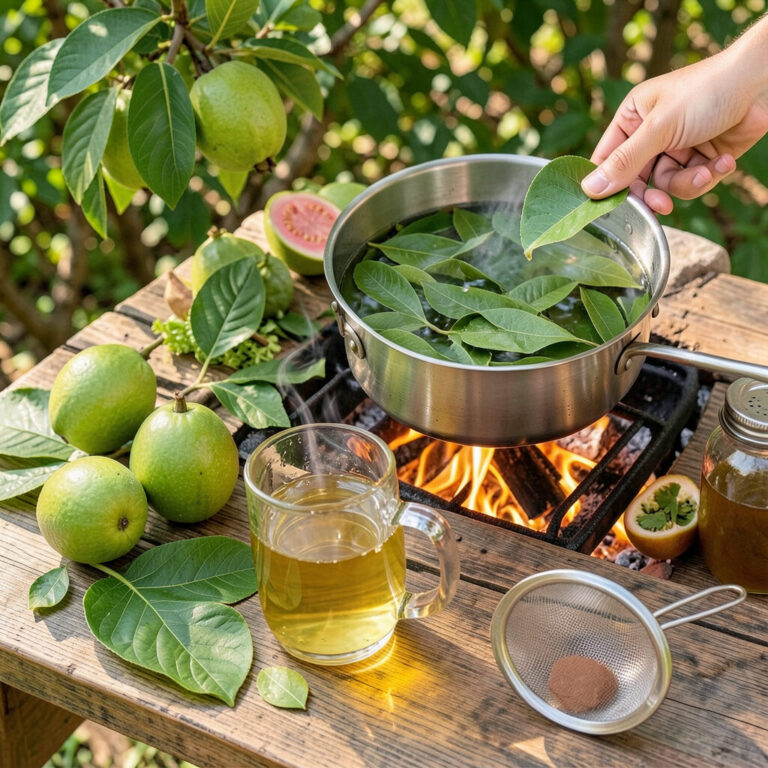
The Unsung Hero: Guava Leaves and Their PotentialWhile the sweet, tropical guava fruit is widely appreciated for its delicious taste and nutritional value, many people are unaware of the hidden treasure found in its leaves. Guava leaves, often discarded, possess a wealth of compounds that have been traditionally used for various wellness purposes. This article will guide you through understanding the potential benefits of guava leaves and, most importantly, show you how to prepare a soothing and beneficial guava leaf tea right in your own kitchen.From supporting digestive health to offering a natural boost to your overall well-being, guava leaf tea preparation is a simple process that can unlock a world of natural goodness. Let’s explore why these humble leaves are gaining recognition in the natural health community.What Makes Guava Leaves So Special?Guava leaves are rich in various bioactive compounds, including antioxidants, anti-inflammatory agents, and antimicrobials. These natural components are what contribute to the leaves’ potential health-supporting properties. Unlike the fruit, which is primarily known for its vitamin C content, the leaves offer a different profile of beneficial compounds, making them a unique addition to a healthy lifestyle.Historically, different cultures have utilized guava leaves for their perceived medicinal qualities, often brewing them into a tea or using them topically. Today, modern research is beginning to explore and validate some of these traditional uses, solidifying the guava leaf’s place as a valuable natural resource.Key Potential Benefits of Guava Leaf TeaIncorporating guava leaf tea into your routine may offer several potential wellness advantages:Digestive Health Support: Guava leaf tea is often associated with aiding healthy digestion. Some traditional practices suggest it can help soothe an upset stomach and support a balanced gut.Antioxidant Power: The leaves contain powerful antioxidants, such as flavonoids and polyphenols, which help combat oxidative stress in the body. Antioxidants are crucial for maintaining cellular health and overall well-being.Blood Sugar Management: Some studies suggest that guava leaf extract may help support healthy blood sugar levels. This is an area of ongoing research, but it highlights the potential for this natural brew to be part of a balanced diet for those managing their glucose.Weight Management Support: While not a miracle solution, the potential for guava leaf tea to support healthy metabolism and digestion may indirectly contribute to weight management efforts when combined with a balanced diet and regular exercise.Promoting Healthy Skin: The antioxidants and anti-inflammatory properties found in guava leaves may contribute to healthier-looking skin, helping to protect against environmental stressors.How to Prepare Guava Leaf TeaMaking your own guava leaf tea is straightforward and requires just a few simple steps. The image vividly illustrates the process, from fresh leaves on the tree to the final soothing cup.What You’ll Need:Approximately 10-15 fresh, clean guava leaves (ensure they are free from pesticides)4 cups of waterA small potA fine mesh strainerA mugStep-by-Step Guava Leaf Tea Preparation:Gather Your Leaves: Begin by carefully selecting fresh, green guava leaves. If you have access to a guava tree, pick them directly. If not, you might find them in specialty Asian or Latin American markets. Thoroughly wash the leaves under cool running water to remove any dirt or impurities.Boil the Water: Pour about 4 cups of water into a small pot and bring it to a rolling boil over a medium-high flame.Add the Guava Leaves: Once the water is boiling, add the washed guava leaves to the pot. Reduce the heat to a simmer.Steep and Infuse: Allow the leaves to simmer in the water for about 10-15 minutes. This process allows the beneficial compounds from the leaves to infuse into the water, creating a yellowish-green liquid. The longer you steep, the stronger the tea will be.Strain the Tea: Carefully remove the pot from the heat. Place a fine mesh strainer over your mug and pour the infused liquid through it, separating the leaves from the tea.Serve and Enjoy: Your fresh guava leaf tea is now ready! You can enjoy it warm. If desired, you may add a touch of honey or a slice of lemon for added flavor, though it is often enjoyed plain.Practical Tips for Enjoying Your Guava Leaf TeaConsistency is Key: For potential benefits, consider incorporating guava leaf tea into your routine regularly, perhaps once or twice a day.Temperature: While typically enjoyed warm, you can also chill the tea and enjoy it as a refreshing iced beverage on a hot day.Source Your Leaves Wisely: Always ensure your guava leaves are from a reliable source and free from chemical sprays or pollutants.Listen to Your Body: Pay attention to how your body responds to the tea. While generally considered safe, individual reactions can vary.Important Considerations and Safety NotesWhile guava leaf tea is a natural beverage, it’s always wise to exercise caution, especially if you have underlying health conditions or are taking medication. If you are pregnant, breastfeeding, have diabetes, or any other medical concern, it’s best to consult with a qualified healthcare professional before regularly consuming guava leaf tea or any new herbal remedy. This tea is intended as a wellness support and should not replace prescribed medical treatments.Frequently Asked Questions About Guava Leaf TeaHow often can I drink guava leaf tea?Many people enjoy guava leaf tea once or twice a day. It’s best to start with a smaller amount and see how your body responds before increasing frequency.Does guava leaf tea have caffeine?No, guava leaf tea is naturally caffeine-free, making it a great beverage to enjoy at any time of day, including before bed.Can I use dried guava leaves?Yes, you can use dried guava leaves, though the flavor and potency might vary. Use about half the amount of dried leaves compared to fresh leaves for brewing.Is guava leaf tea safe for everyone?While generally considered safe for most healthy adults, individuals who are pregnant, breastfeeding, or have certain medical conditions should consult a healthcare provider before consuming it regularly.Final Thoughts on Guava Leaf TeaGuava leaf tea offers a wonderful opportunity to tap into the natural goodness of the guava plant beyond its well-known fruit. Simple to prepare and potentially rich in wellness-supporting compounds, it can be a delightful and beneficial addition to your daily routine. By understanding how to make guava leaf tea, you empower yourself with a natural, ancient remedy that’s gaining modern recognition for its potential health advantages. Enjoy your journey into the world of natural wellness with this remarkable herbal infusion!
Unlocking the Hidden Treasure: How to Make Guava Leaf Tea for Wellness